Certificate of Authenticity: What It Should Say
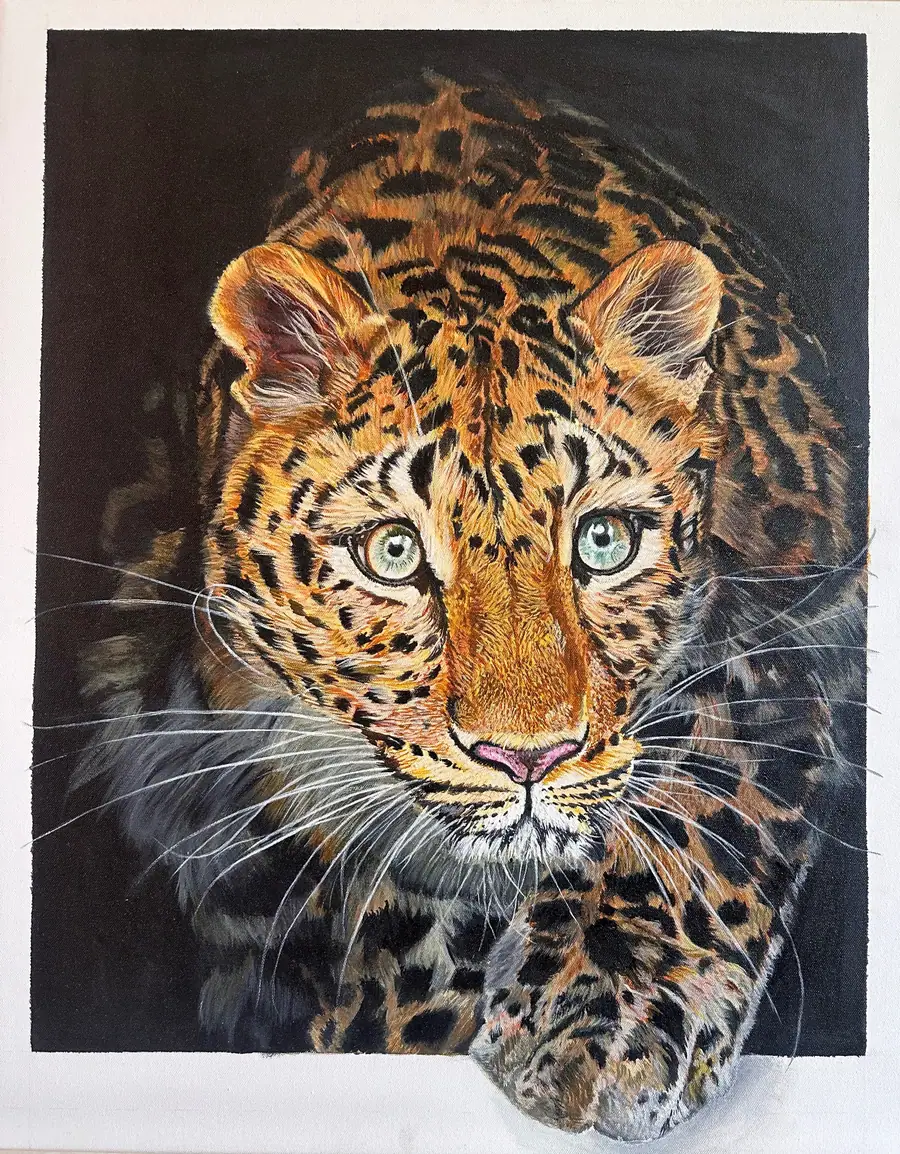
A certificate of authenticity is a signed statement that a particular person made a particular work. It is only as good as the person who signs it. A gold seal and thick paper add nothing. A plain sheet with the right details and the artist's own signature is worth more than a laminated card from a shop that cannot tell you who painted the picture.
What belongs on it
| Detail | Why it matters |
|---|---|
| Artist's full name | Ties the work to a person you can trace |
| Title | Matches the invoice and any exhibition record |
| Year completed | Places it in the artist's career |
| Medium and surface | "Oil on linen" can be checked, "painting" cannot |
| Size without frame, in cm or inches | Helps identify this exact work |
| A clear photograph | Stops the paper being moved to another picture |
| Statement that it is an original | Separates it from a print |
| Edition number, for a print only | Such as 7/30 |
| Signature and date of signing | Makes it a statement by someone |
Contact details, a studio stamp and the artist's own inventory number are good additions. So is a note of where the work is signed: "lower right, and on the reverse".
Who should sign
The artist, whenever they are living. For someone who has died, the estate, a recognised foundation or an acknowledged scholar of their work carries weight. A dealer's certificate means something if the dealer is established and will stand behind it. A certificate from a framer, a decorator or an auction site seller mostly records that they hope it is genuine.
When you buy from a living painter you are at the source, which is the best position to be in. On Wallhance you deal with the artist directly, so ask for the certificate in your first or second message and agree that it travels with the work.
Wording you can borrow
Some artists have never made one. This is enough:
I confirm that the artwork described and pictured here is an original work made by me. Title: [title]. Year: [year]. Medium: [medium and surface]. Size: [height x width, unframed]. Inventory number: [number]. Signed on the [front or back, position]. Artist's name, signature, date and place.
Print it on acid-free paper, sign in permanent ink, and keep a scan. Put the same inventory number on the back of the canvas stretcher or lightly in pencil on the margin of a drawing. Never write in ink on the back of paper or unprimed canvas, where it can bleed through.
Warning signs
- No photograph, or a photograph that could be any of several works
- A size that differs from the painting by more than a centimetre or so
- The words "in the style of", "after" or "attributed to" in small type
- A printed signature, or one that does not resemble the signature on the work
- "Hand-finished" or "embellished" in the description, which usually means a print underneath
- A famous name at a tiny price, with a certificate offered before you asked
That last one deserves plain words. Works by well-known Indian modern masters are forged, and the papers are forged along with them. If someone offers you one, ask an independent specialist or an established auction house before paying. The certificate in the seller's hand cannot settle it.
If you are unsure whether a piece is painted or printed, the physical checks in original or print take five minutes.
What it does not do
It is not a valuation. Insurers may want a separate figure, along with your invoice. It does not transfer copyright, so you still need permission to reproduce the image. It does not certify condition either. And a serial number on its own proves nothing, because there is no one register behind it.
If there isn't one
Plenty of honest work was sold without a certificate, particularly older pieces and student work. Write to the artist if you can. Send photographs of the front, the back and the signature, and ask them to confirm by email that it is theirs. A reply from a known address, printed and dated, is perfectly respectable.
Otherwise collect what you have: the bill, a message thread, an exhibition leaflet, a photo of the artist with the piece. Together these are called provenance, and a good pile of it can be more convincing than one sheet.
Where to keep it
Away from the painting. A certificate taped to the back of a frame goes wherever the frame goes, including to a thief. Keep the original in a file with the invoice, scan both sides, and email the scans to yourself and one relative.
Photograph the work on the day it arrives, with a ruler in one shot. If you own more than two or three works, keep a simple record of them all, as described in starting a collection. When you sell the painting or give it away, hand the papers over too.