How to Frame Watercolours and Drawings Safely
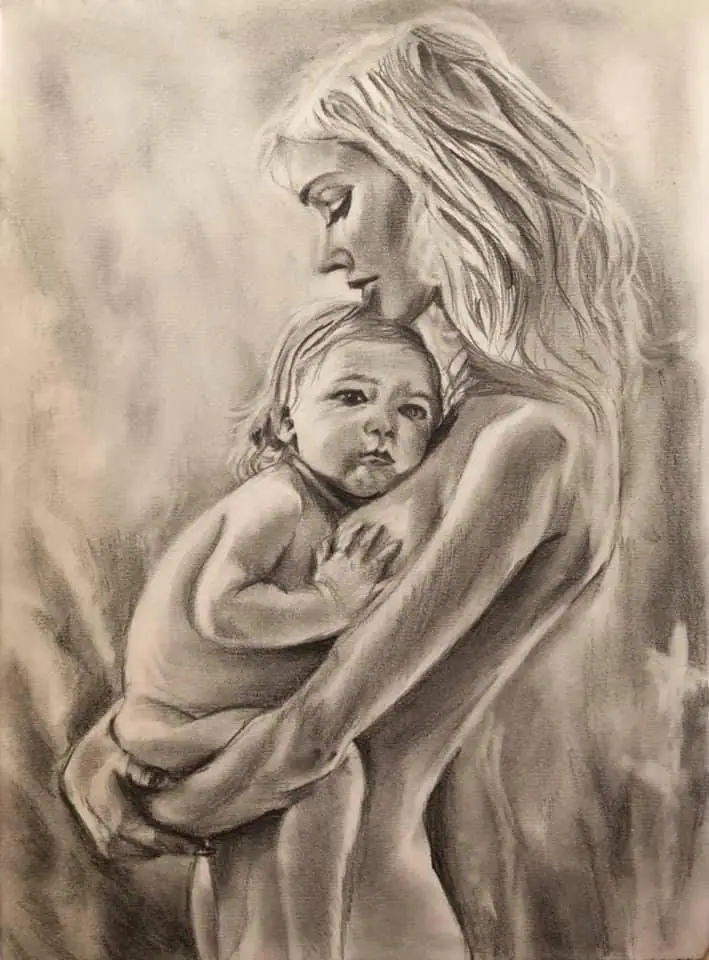
Works on paper are more delicate than canvas. Good framing is not decoration; it is what keeps them alive.
Always use glazing
Watercolour, graphite, charcoal and pastel need glass or acrylic in front. Ask for UV-filtering glazing if the room is bright. Acrylic is lighter and safer to transport, but static can lift charcoal and pastel, so use glass for those.
Keep the paper off the glass
A mount, sometimes called a mat, leaves a small gap between the paper and the glazing. Without it, moisture can make the paper stick or grow mould. If you prefer no mount, ask for hidden spacers.
Use acid-free materials
Ask the framer for an acid-free or museum-grade mount and backing. Ordinary board turns brown over the years and marks the paper. The artwork should be fixed with paper hinges along the top edge, never with tape or glue across the back.
Humidity and heat
In a humid climate, ask for a sealed back and small spacers behind the frame so air can move. Avoid kitchens, bathrooms, and outside walls that get damp in the monsoon.
Choosing a frame
| Artwork | Frame that usually works |
|---|---|
| Graphite or charcoal | Thin black or dark wood, wide white mount |
| Watercolour | Light wood, off-white mount |
| Ink | Thin black, narrow mount |
| Pastel | Deeper frame with spacers |
Light
Keep works on paper out of direct sunlight. Even with UV glazing, strong light fades colour over time. A north-facing wall or a wall between windows is a good choice.
You can try nine frame styles on any work in our wall visualizer before you speak to a framer.